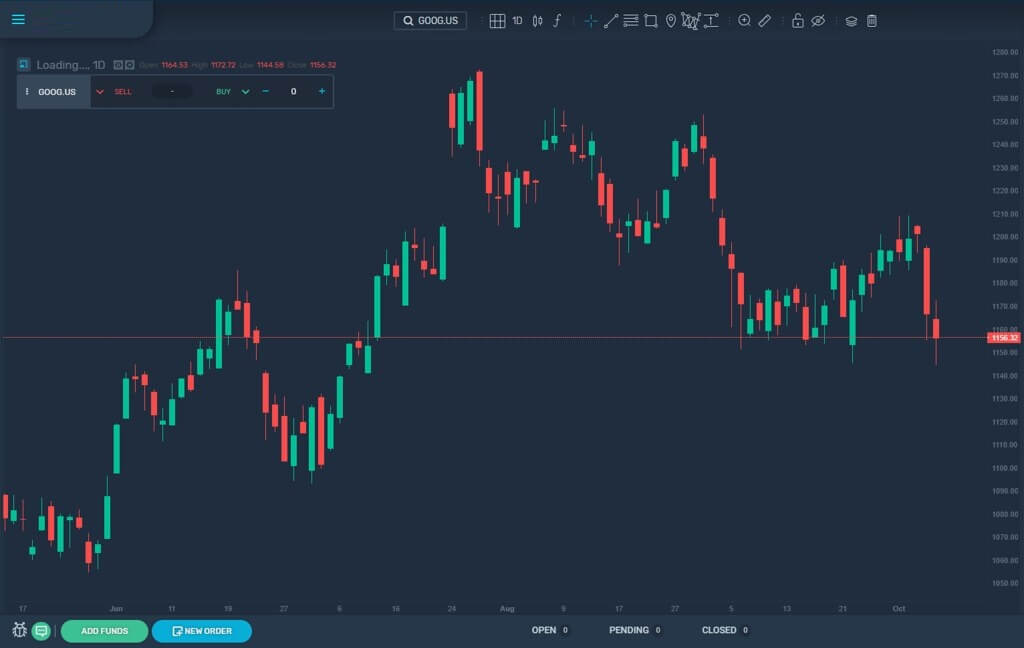
Trading like a professional requires not just market knowledge but also selecting the right platform to execute your trades efficiently. Contract for Difference (CFD) brokers offer traders the opportunity to speculate on the price movements of various financial instruments without owning the underlying assets. However, with numerous options available, choosing the best cfd broker can be daunting. Here’s a comprehensive guide to help you navigate this process effectively.
Understanding CFDs
Before delving into broker selection, let’s review the basics of CFD trading. A Contract for Difference is a derivative product that allows traders to profit from the price movements of assets like forex, stocks, indices, commodities, and cryptocurrencies without owning them outright. This flexibility makes CFDs popular among traders seeking exposure to diverse markets.
Key Factors to Consider When Choosing a CFD Broker
Trading Platform: Look for brokers offering a user-friendly and feature-rich trading platform. An intuitive platform with advanced charting tools and fast execution speeds can enhance your trading experience.
Asset Coverage: Ensure the broker provides access to a wide range of financial instruments across various markets. A diverse asset selection allows you to explore different trading opportunities and diversify your portfolio.
Leverage Flexibility: While specific leverage ratios are not discussed here, prioritize brokers offering flexible leverage options. Flexible leverage allows you to adjust your risk exposure according to your trading strategy and risk tolerance.
Customer Support: Opt for brokers known for their responsive and helpful customer support. Reliable support channels such as live chat, email, and phone assistance can address any queries or concerns promptly.
Educational Resources: Consider brokers that offer comprehensive educational resources to enhance your trading skills and knowledge. Educational materials like tutorials, webinars, and market analysis can help you stay informed and make better trading decisions.
Cost Structure: Evaluate the broker’s fee schedule, including spreads, commissions, and overnight financing rates. While competitive pricing is important, ensure it doesn’t compromise on the quality of services provided.
Risk Management Tools: Assess the availability of risk management features like stop-loss orders, take-profit orders, and guaranteed stop-losses. These tools are essential for managing risk and protecting your trading capital.
By considering these factors, you can select a CFD broker that aligns with your trading goals and preferences, enabling you to trade with confidence and proficiency.